Why relaxation is good for your immune system and body
Understanding why it helps to know a little about the nervous system.
Our nervous system includes our brain, spinal cord and nerves and together they are responsible for processing all our internal and external sensory information. Our nervous systems are sensitive and doing their best to keep us safe with the information it has. This information is based on what is here right now as well as our thoughts, our past experiences and our feelings.
So when we are busy and on the go, our body is often functioning from the sympathetic nervous system. When we are in this state of sympathetic activity, we can notice many different symptoms, our muscles may be more tensed ready for action, our heart is working harder pumping oxygen around our body, our adrenals can be more active, and we can feel alert. Whilst this state is essential when we want to get things done, when our nervous systems find it hard to move back into a calmer state it can stop us sleeping and affect our eating habits. Often what stops us moving back into a more balanced state is stress and anxiety. These anxious thought processes and feelings make our nervous system feel like there is still some kind of danger or action needed so it stays ready for action in its sympathetic state.
Encouraging our nervous system to shift
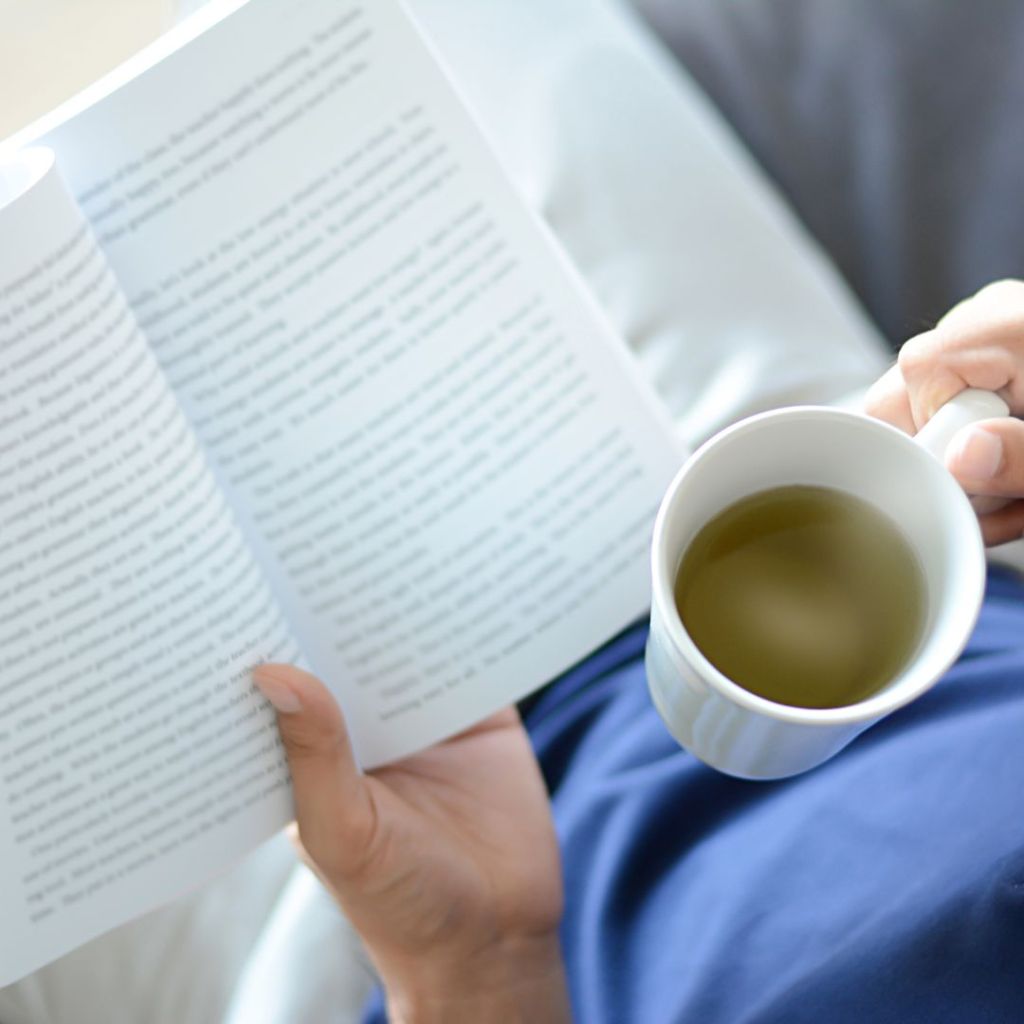
However, when we engage in activities that we find relaxing and restorative which could be walking, reading a book, mindful activities or guided relaxation to name a few, we are encouraging our nervous system to shift from being in this activated state towards a state of regulation. These activities and the feelings they create soothe our nervous system and remind it that perhaps it’s ok to relax a little more right now. Through this, our body can engage more with the parasympathetic branch of our nervous system. The parasympathetic part of our nervous system is responsible for promoting digestion, slowing our heart and breathing rate and lowering blood pressure. This can also support the reduction of inflammation, boost the immune system to function and essential healing processes in our body to take place. When we find moments of rest or relaxation, this part of our nervous system can have more capacity for these important processes.
Slowing down and doing activities which we find more relaxing is like stretching and building muscle, we almost have to train our bodies and our nervous system to do it – it can often feel weird at first. But there is no right way, we all have very different times and ways that we feel more relaxed, so finding the way that feels good and suits you is most important. Plus it can be useful to remember that there isn’t a state of our nervous system that’s better, it is in fact when we can shift between all the essential states of our nervous system that we can respond and adapt to our environment that our nervous system is healthy.
Examples of relaxing activities you could try:
Going for a walk
Reading a book
Guided relaxation
Painting
Listening to music
Journalling
Watching your favourite film
Try out a new recipe
Take a break from technology