

Eating and drinking when you have a sore mouth
At Penny Brohn UK, we know that a sore mouth is a particularly difficult side effect of cancer treatment. For this blog, we’ve teamed up with Registered Dietitian at icesupp, Corrine Toyn, to ask her to share her top tips on eating and drinking well when this becomes a problem.

A sore mouth is a common side effect of cancer treatments such as chemotherapy, immunotherapy or radiotherapy. This is because some cancer treatments can damage the cells inside your mouth or throat.
Soreness in the mouth, or even sometimes ulceration, is known as mucositis. Another common mouth infection is called thrush, which can make eating and drinking particularly unpleasant and affects how things taste. Thrush, which can look red with pale patches, can coat the inside the mouth, the back of the throat and on the tongue.
Although damage is temporary, most side effects do improve once treatment ends, and your doctor can prescribe medication to help. However, we recommend talking to your healthcare professional should you have any issues.
Unfortunately, having a sore mouth can lead to dryness and sensitivity which makes it particularly difficult to eat or drink. However, it’s important to maintain proper nutrition during treatment as this affects how you feel during and after your treatment. It’s also important to maintain your weight and strength to help you during cancer treatment.


What types of foods are easiest to eat with a sore mouth?
Foods that are soft and moist are usually the gentlest on a sore mouth and easier to eat. Here are some good options to try:
- Porridge with full fat milk
- Mashed potatoes or sweet potatoes
- Yogurt and pudding
- Smooth soups
- Scrambled eggs
- Smoothies
- Softened food with added dressings, sauces or gravy
What foods and drinks should I avoid if my mouth is sore?
Some foods can worsen the discomfort in your mouth. It’s best to avoid these if you can:
- Spicy foods as these can cause a burning sensation
- Acidic foods like tomatoes, citrus fruits, and vinegar, which can sting
- Fizzy drinks can also cause discomfort
- Rough or dry foods like crackers, chips, or toast can scrape and irritate your mouth
- Alcoholic drinks as they can irritate your mouth
- Hot foods and drinks – it’s best to aim for lukewarm or cool temperatures to avoid sensitivity
- Smoking can worsen dryness
How can I stay hydrated when my mouth is dry?
Staying hydrated is crucial, especially if you’re dealing with dryness and soreness. Here are some tips:
- Sip water frequently – keep a water bottle with you and take small sips throughout the day
- Avoid alcohol and caffeine as these can dry out your mouth even more
- Drinking through a straw may also help
- Chewing sugar-free gum can sometimes help to produce more saliva
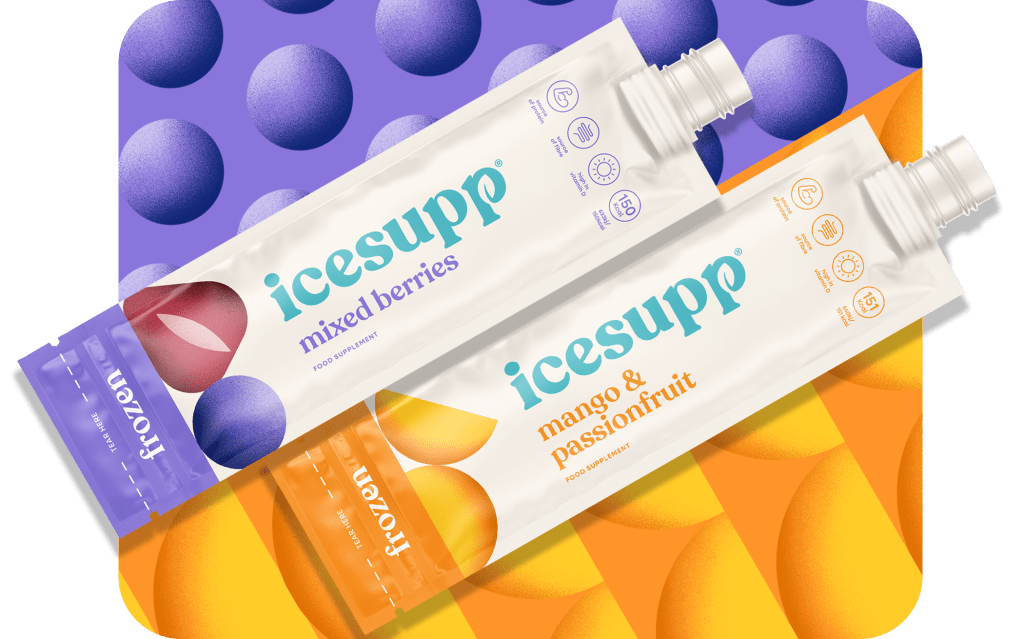
- Try ice lollies or ice cubes as these can be soothing and help keep your mouth moist. You could also try a frozen supplement like icesupp. icesupp is the first of its kind frozen nutritional supplement, designed to help nourish, hydrate and soothe in times of need. Icesupp is packed with energy, protein, fibre, vitamins and minerals, created with 100% plant-based ingredients and made with delicious real fruit to ensure getting the right nutrition is easier and tastier. To find out more, click here.
How can I get enough calories and protein if eating is painful?
If eating is difficult, focus on nutrient-dense foods that are easy to consume. You can do this by fortifying your usual meals and snacks with high calorie and protein foods, which won’t necessarily increase the volume. This may be particularly important if you are also struggling with a low appetite. For example, you can add more unsaturated fats to your food like avocado, peanut butter, cream and olive oil to increase the calories. Or you could add whole milk or full fat yogurt for extra protein. Adding additional toppings like honey and jam can also enhance the calorie content when needed.
It’s also important to make the most of the times you feel most hungry. Keep a track of these times and try and arrange your meals for when you have more of an appetite. You can also try eating smaller, more frequent meals as these may be less overwhelming.
It may also be helpful to plan ahead and cook in bulk or have meals in the freezer so that you have food available when you don’t feel up to cooking.
What can I do to keep my mouth clean without causing more pain?
Good oral hygiene is important to prevent infections, even when your mouth is sore. Try using a soft bristled toothbrush and brushing gently. You may also benefit from avoiding mouthwashes with alcohol as these can be drying and painful. Speak to your doctor as they may be able to prescribe you a mouthwash for sensitive mouths.
Macmillan recommends trying saltwater mouthwashes which can help reduce soreness if symptoms are not too severe. To make this, add 1 teaspoon of salt to cold or warm water and rinse this around your mouth. Don’t forget to then spit this out and rinse your mouth with cold or warm water.¹
When should I talk to a dietitian?
If you’re struggling to eat enough or manage your symptoms, consulting a dietitian can be very helpful. They can provide personalised advice and suggest foods that meet your nutritional needs without causing discomfort.
Managing a sore mouth during cancer treatment can be challenging, but with the right strategies, you can maintain proper nutrition and hydration. It’s essential to focus on soft, moist foods that are gentle on your mouth and avoid those that could exacerbate discomfort. Staying hydrated, consuming nutrient-dense foods, and maintaining good oral hygiene are crucial steps in this process. Remember, if you’re finding it difficult to eat or manage your symptoms, it’s important to consult with a healthcare professional who can offer advice tailored to your needs. Taking these steps can help you maintain your strength and support your overall well-being during your treatment journey.
We hope you found this blog useful however if you have any questions or would like to learn more about icesupp, visit the website here.
References:
1. Macmillan. Available online here. Accessed August 2024.